

Pradamacharyan Sriapathi Sriman Narayana


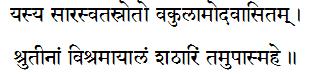
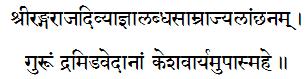
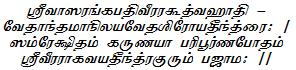
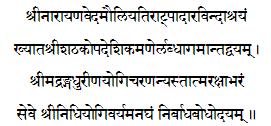
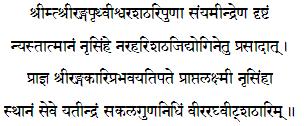
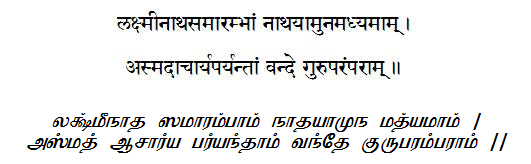
The above verse salutes the Sri Vaishnava Acharya Guru Parampari staring with Lakshminathan, with the middle order decorated by Sriman Nathamuni and Yamuna Muni, and ending with our own Acharyan in this life.
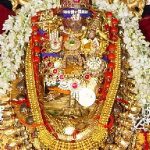
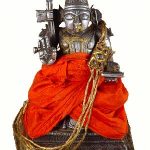
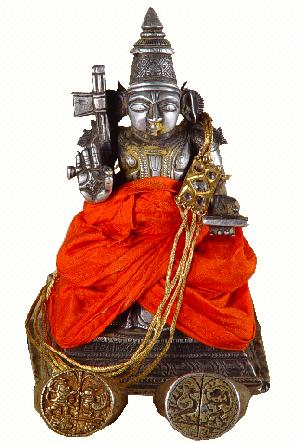
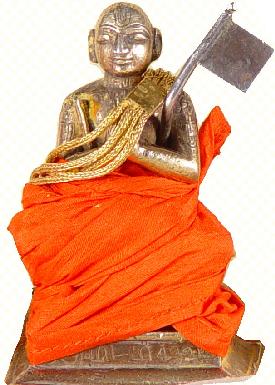
The picture seen here is Malola Lakshminrisihan of Sri Ahobila Matam.
Thayar (divine mother) Mahalakshmi
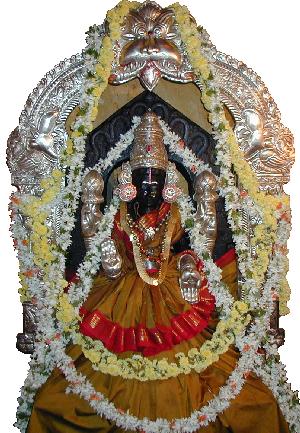
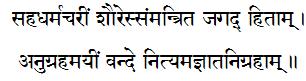

Thayar Mahalakshmi is the second Acharyan immediately after Sriman Narayana. She acts as a Purushakara (recommending intermediary) between Badda Jivathma and Sriman Narayana. Without the compassion of the divine mother it would be impossible to approach the Lord.
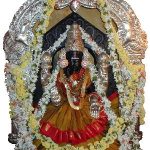
The picture shown here is that of Senchu Lakshmi Thayar in Ahobilam.
Visvaksenar

Thirunakshatram: Adi – Pooradam
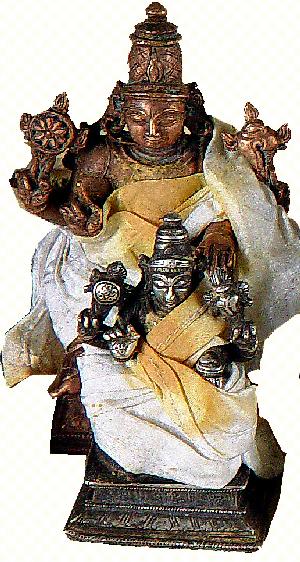
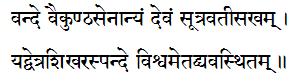
Visvaksenar (Senai mudaliyar) is the third Acharya in the glorious line of Acharyas starting from Sriman Narayana. Visvaksenar is the first Acharya who is a Jivathma. Sriman Narayana and Thayar Maha Lakshmi belong to Iswara Vargam.
The Parama-Vaidika Sri Vaishnava sampradayam is passed on by Visvaksenar to Nammazhvar who is in fact a Visvaksenar Avatharam in Bhu Lokam.
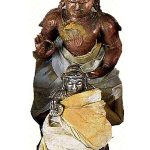
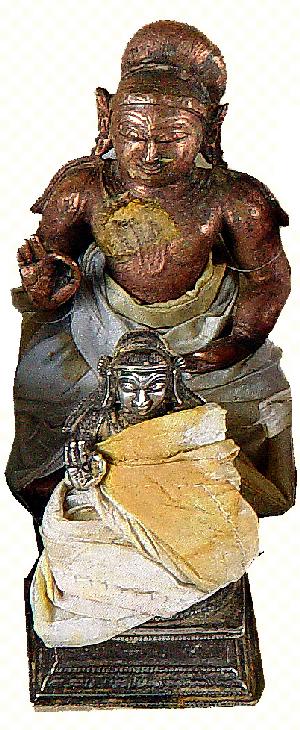
The picture seen here is Visvaksenar’s Dhivya Mangala Vighraham in Sri Ahobila Matam.
Swami Nammazhvar

Birth place : Azhvar Thirunagari
Birth date : The 43rd day of Kali Yugam, Bahudanya varusham, Vasantha Ruthu, Vaikasi masam, Visaka nakshatram, Sukhla Paksha Powrnami
Swami Nammazhvar is known as Prapannajana Kootasthar (Chief among those who have surrendered). Among the twelve revered Azhvars who are shining stars of Sri Vaishnavam, Swami Nammazhvar is the only Azhvar who is part of the divine Acharya Guruparamparai. This is because it is through Swami Nammazhvar the Sri Vaishnava Sampradayam got Nalayira Dhivya Prabhandham. This is explained further in the next Acharya Sriman Nathamuni’s page.
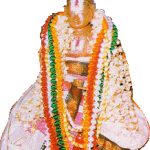
The picture seen here is Nammazvar’s Dhivya Mangala Vighraham in Sri Ahobila Matam.
Sriman Nathamunigal
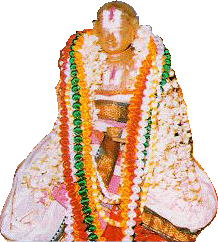
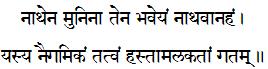

Birth place : Veeranarayanapuram (Near Chidambaram)
Birth date : Kali 3985, Shobakrith, Ani, Anusham
Sriman Nathamunigal is the first Acharya of the modern time. He revived Sri Vaishnavam by bringing out the 4000 poems of Azhvars into wide spread practice. Alavandhar, also known as Yamnucharya, was Srimad Nathamunigal’s grandson.
He authored texts including Nyaya Thatvam and Yoga rahasyam.

Sriman Pundarikakshar (a) Sriman Uyyakondar

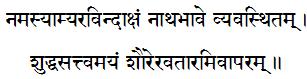

Birth place : Thiru Vellarai
Birth date : Prabhava Year, Chittirai Month, Krithika Star (Kali 3987)
Main Sishyar of Sri Nathamunigal
Once he accompanied his Guru pathini (Sri Nathamunigal’s wife) to her parent’s house. Her parents did not know his greatness and treated him as just another servant, made him sit outside the house and fed him with previous day’s food. When Sri Nathamunigal inquired about the trip, he replied that he had the ‘Bhagyam’ of having ‘Bhagavatha Sesham’ (left-over food after Bhagavatha consumption). Sri Nathamunigal was very happy about his answer and named him “Uyyakondar”.
His sishyas include Sri Manakkal Nambi, PundarikaDasar and others.
Sri Maha Purnar (a) Sri Periya Nambigal
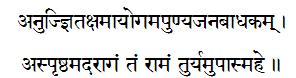

Birth place : Manakkal (near Sri Rangam, Trichy, India)
Birth date : Kali 4052, VirothiKrith Year, Masi Month, Makam Star
Main Sishyar of Sri UyyaKondar
One day, the two children of Sri UyyaKondar wanted to go for a bath in the river Kaveri and Sri Manakkal Nambi accompanied them. While returning back, there was a ditch that could not be crossed by the small children. Since they are his Guru’s children, Sri Manakkal Nambi lay over the ditch and made them cross the ditch, by using his back as a bridge. Sri Uyyakondar was very happy at this Guru Bhakti and blessed him. He also made Sri Alavandar, a great Sri Vaishnava Acharya. Sri Alavandar, became a king and started a normal life full of tamas and rajas influences. Sri RamaMishrar tried many times, without success, to meet him. In order to get his attention, Sri RamaMishrar started feeding Sri Alavandar, a type of sattvic food (a kind of spinach) by befriending a cook in the palace kitchens. One day, he stopped the feeding the spinach and Sri Alavandar called the cook to find out the reason and hence Sri RamaMishrar got a chance to meet the king. Sri Alavandar wanted to know, what Sri Ramamishrar wants in return, to which the latter replied that he has a wealth (from Sri Alavandar’s elders) that he wants to give to Sri Alavandar. Sri Alavandar followed Sri Ramamishrar in to the sanctum sanctorum of Sri Ranganatha Temple at Trichy. Sri Ramamishrar announced that Sri Ranganatha is that wealth and Sri Alavandar fell at his feet and became a great Sri Vaishnava Acharyan.
His famous sishyas include Sri Alavandar, Sri ThiruVinnakarappan and others.
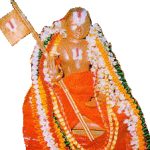
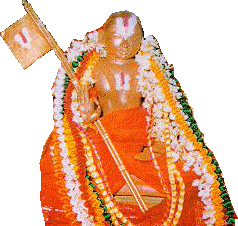
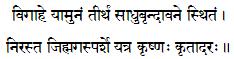
Sri Alavandhar

Birth place : Veeranarayanapuram (Near Chidambaram)
Birth date : Datu, Adi, Uttiradam
Sri Alavandar is one of the foremost Sri Vaishnava Acharyas. He was the grandson of Sriman
Nathamunigal and a sishya of Sri Manakkal Nambi.
He studied under the tutelage of Sri Maha Bashya Battar. At that time, Sri Akki Azhwan who was thye court poet in the King’s court challenged Sri Sri Mahabashya Bhattar for a debate. Sri Alavandar decided to head to the court in place of his Guru, who was indisposed at that time.
Everyone in the court was surprised that a young boy has challenged the mighty Aki Azhvan. However, the queen was facinated and taken by Sri Alavandar’s manifest brilliance and courage. She made a wager with the king, that if Sri Alavandar loses, the queen will serve the king, as a servant and if not, the king should give half his kingdom to Sri Alavandar. Sri Alavandar asked the court poet to prove false the following three statements: (1) The court poet’s mother is infertile. (2) The king is an Emperor (rules the whole world) (3) The queen is not chaste. The court poet could not prove false any of the statements and accepted defeat. Sri Alavandar proved all the statements as false through the following Sastras. (1)Since the court poet is the only child, according to Sastras, his mother can technically be called infertile. (2) An Emperor is one who rules the whole world, but the king rules only the Chozha land and (3) In Hindu Vedic marriage, the bride is married (through Mantras) to different Devas like Soman, Agni etc., and the king is married to the queen only as the fourth groom and so the queen can technically be called unchaste. The queen immediately called out “Emmai Alavandeero?” (you are my savior) and hence, his name became “Alavandar”. Sri Alavandar was given half the land and so, he became a King himself.
Sri Manakkal Nambi (a) Rama Mishrar, carrying out his Guru Sri UyyaKondar’s orders, brought Sri Alavandar into Sri Vaishnava Acharya lineage
He learnt yoga rahasyas from Sri KurukaiKavalappan (Sri Nathamunigal’s sishya).
He is the main reason behind bringing Sri Ramanujar (Emperumanar) into Sri Vaishnava fold, even though he did not teach Sri Ramanujar directly. He noticed Sri Ramanujar, doing service to Sri YadavaPrakasar and prayed Sri Varadaraja Perumal (Kanchipuram) to make Sri Ramanujar come into Sri Vaishnava fold and spread Sri Vishishtadvaitam philosophical doctrine.
On his deathbed, he instructed Peria Nambigal to invite Sri Ramanujar to visit him. But, before Sri Ramanujar came, Sri Alavandar had left for Paramapadam (died) but had three fingers clenched together to direct Sri Ramanjuar. When Sri Ramanujar came and promised that he will do (1) Vishnu Purana Bhasyam (2) Spread Sri Nammalwar’s works through a Bhasyam and (3) A bhasyam for Sri Veda Vyasa’s Brahma Sutras, from Vishishtadvaitha principle’s point of view, Sri Alavandar’s clenched fingers became straight.
His famous works include Sri Chatusloki, Sri Stotra Ratnam etc.,
His famous sishyas include Periya Nambi, Thiru Koshtiyur Nambi and Thiru Malai Andaan.
He authored texts including Agamapraamanyam, Purusha Nirnayam, Athmasiddi, Samvithsiddi, Iswarasiddi, Geetharttha Sangraham, Chatusloki, and Sthothra Rathnam.
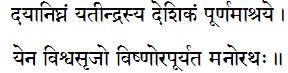
Sri Maha Purnar (a) Sri Periya Nambigal

Birth place : Trichy
Birth date : Kali, Haevilambi Year, Margazhi Month, Kettai Star, Bharadwaja Gothram
Main Sishyar of Sri Alavandar
Sri PeriaNambigal was chosen by Sri Alavandar to bring Sri Ramanujar to Sri Rangam from Kanchipuram. At that time, Sri Ramanujar was doing “Theertha Kainkaryam” ( fetching well water for temple use) for Sri Varadarajar Temple. Sri Periya Nambigal chanted aloud one of Sri Alavandar’s Sookthis (compositions) and Sri Ramanujar was so impressed by the inner meaning that he asked Sri PeriyaNambigal about the authorship. Sri Ramanujar then accompanied Sri PeriyaNambigal to Sri Rangam to visit Sri Alavandar.
At Sri Vardaraja Perumal’s command, Sri Ramanujar became a disciple of Sri Periya Nambigal
His main sishyas include Sri Ramanujar and Sri Thirukacchi Nambigal
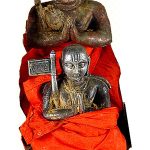
Sri Ramanuja (a) Sri Emberumanar (a) Sri YathiRaja
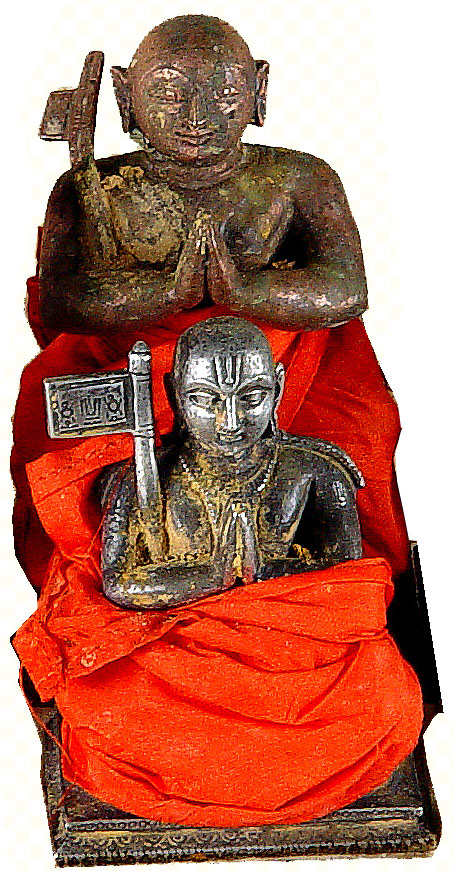

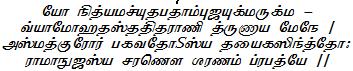
Birth place : Sriperumpudur
Birth date : 950 years ago, Kali, Pingala Year, Chittirai Month, Thiruvadirai Star
Sri Ramanuja is like the central pendant or stone in the garland of our Acharya lineage. He is one of the most famous acharyas who established Sri Visishtadvaita doctrine in a firm ground, according to the wishes of Sri Alavandar.
He started his in-depth studies, as an advaita student under Sri YadavaPrakasar of Kanchipuram. Govindha Battar, his cousin, also joined Sri Ramanujar during his studies. Sri Ramanujar excelled as a student and even corrected Sri YadavaPrakasar’s explanations of Upanishads. This brought about a tinge of unpleasantness in Sri YadavaPrakasar’s attitude towards Sri Ramanujar. The famous incident, where Sri Ramanujar gave a superior explanation to Sri YadavaPrakasar’s explanation of the word “Kapyasam” fueled this unpleasantness to the extent that the Guru plotted to kill his illustrious student. He invited both Sri Ramanujar and Sri GovindhaBattar to accompany him to Ganga Yatra and plotted to kill him there.
Sri GovindaBattar got to know about the plot and warned Sri Ramanujar, who ran away from the group and tried to go back to Kanchipuram. On his way back, Sri Varadaraja Perumal and Sri Perundevi Thayar, the Divine Dampathis themselves, came disguised as a hunter couple and helped him reach Kanchipuram.
In the meantime, Sri Alavandar visited Kanchipuram and felt very happy by Sri Ramanujar’s radiance and prayed Sri Varadaraja Permual to make Sri Ramanuja come into the Sri Vaishnava fold.
At this time, the Divine Dampathis decided to bring to light, Sri Ramanujar’s greatness. The king’s daughter became possessed by a “Brahma Rakshasa”, a formidable evil spirit. On king’s request, Sri Yadava Prakasar and his main students (including Sri Ramanuja) visited the palace to cure the king’s daughter. Sri Yadava Prakasar tried to cure the princess, but in vain. The evil spirit informed Sri YadavaPrakasa that it would move out, if Sri Ramanujar instructed him to do so. Sri Ramanujar instructed the evil spirit to leave and it left the princess’ body. Sri Ramanujar became famous.
Sri Ramanujar started doing “Theertha Kainkaryam” (fetching water from a well for temple use) at Sri Varadaraja Perumal Koil, based on orders from Sri Varadaraja Permual himself. This was conveyed by Sri ThiruKacchiNambigal to Sri Ramanujar. At the instruction of Sri Alavandar, Sri Peria Nambigal (one of Sri Alavandar’s sishyas) visited Kanchipuram and made Sri Ramanujar come with him to visit Sri Alavandar.
At that time, Sri Alavandar was in his deathbed and Sri Ramanujar made three promises ( to write vishnu Purana Bhasyam, Sri Bhasyam and explanations for Sri Nammalwar’s works).
After returning to Kanchipuram, Sri Ramanujar asked Sri Thiru Kacchi Nambigal to find out answers from Sri Varadaraja Permual to clear his doubts. Sri Varadaraja Permual gave the famous “Six words” that formed the basis of Sri Visishtadvaita philosophy and Sri Ramanujar’s magnum-opus work: Sri Bhasyam. One of the six words also instructed Sri Ramanuja to be a student under Sri Periya Nambigal. So, Sri Varadaraja Perumal himself gave the roots of our philosophy to Sri Ramanujar.
Sri Ramanujar underwent “Pancha Samskaram” by Sri Periya Nambigal in the Sri Kodanda Raman Temple at Madurantakam.
Sri Ramanujar’s wife committed three “Bhaghavata Apacharams” (sins committed against Sriman Narayana’s bhaktas) and due to that, Sri Ramanujar left her and undertook “Sanyasa Ashramam” in Kanchipuram. Sri Varadaraja Permul gave him the title of “YathiRajar”. Later Sri YadavaPrakasar himself became his Sishyar (student) and got the title of Sri “Govinda Jeeyar”.
When Sri Ramanujar visited Sri Rangam, Peria Permual himself asked him to attend to SriRangam Koil Kainkaryam and called him “Udayavar”. Later he visited Sri Thirukoshtiyur Nambi and requested him to bless him with explanations for the three important mantras of Sri Vaishnavism: Sri Moola Mantram, Dvyam and Charama Slokam. In order to let the world know about Udayavar’s conviction, Sri Nambigal turned him down seventeen times before giving him the explanations. Sri Nambigal also got a promise from Ramanujar that the latter will not reveal the explanations to anyone. Sri Ramanujar, with lots of compassion for other Sri Vaishnavas, immediately called Sri Kooratalwan and others and gave out the “Mantraartam” (explanations for the Mantras).
After this, Sri Ramanuja went on to write the famous “Sri Bhasya” and many other Granthams. Due to this, he got the title “Sri Bhasyakarar”. He also traveled to Tirumalai-Tirupathi and proved that the main idol (Moolavar) of the temple is “Archa Moorthy” of Sri Vishnu himself and not that of Shiva or Parvathi Devi, as widely suspected at that time. After performing many such miracles and establishing Sri Visishtadvaitam in a firm base, Sri Bhasyakarar established 74 Simmasanthipathis (heads of various Mutts) to propagate Sri Vaishnavism for ever. After giving all the responsibilities to Sri Pillan, Sri Ramanuja left this world and went to Sri Vaikuntam to serve the Divya Dampathis.
Sri Embar (a) Sri Govinda Bhattar
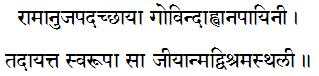

Birth place : MaduraMangalam
Birth date : Krodhana Year; Thai Month, Punarvasu Star,
Sri Embar is related to Sri Ramanuja and has great Bhakthi and regard for him.
He is the person who helped Sri Ramanuja escape from the evil plans of Sri YadavaPrakasar.
He was a Shiva Bhaktha before and due to Sri Ramanuja and Sri Thirumalai Nambigal’s intervention, he came back to Sri Vaishnava fold and became a great Acharya.
He was given the title of “Embar” by Sri Ramanuja himself.
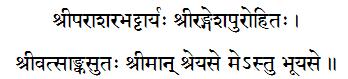
Sri Parasara Bhattar

Birth place : SriRangam
Birth date : Vaikasi Month, Anusha Star
Sri Parasara Bhattar is the one of the sons of Sri Kooratalwan. The Divya Dampathis themselves acted as parents for him, as he was born after his mother, Sri Andal, consumed “Prasadam” from the Sri Rangam temple.
Sri Bhattar was very proficient in the meanings of the Divya Prabhandam, even at the age of five. Sri Ramanujar and Embar acted as teachers for him.
It is said that Sri Alavandar and Sri Ramanujar prayed before the Sri Rangam Peria Perumal to bless the Acharya lineage by bringing a child to this world, fit enough to be named after Sri Parasarar. That child is Sri Parasara Bhattar.
He spread Sri Visishtadvaita philosophy through out India and went till Gangotri in North India to bring people and pandits into Sri Vaishnava fold.
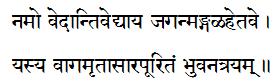
Sri Nam Jeeyar

Birth place : SriRangam
Birth date : Panguni Month, Uttiram Star
Nanjeeyar gave “Onbadhinayirappadi” for the Divya Prabhandam, Thiruvaimozhi to the world through Sri Varadarajar, a Sri Vaishnava who later became called “Nam Pillai”.
He is considered a great Sri Vaishnava scholar and a great bhaktha of Sri Rangam Peria Perumal.
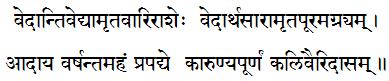
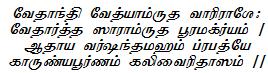
Sri Nam Pillai
Birth place : Nambur
Birth date : Karthikai Month, Krithika Star
He is originally named, Sri Varadarajar. He was called by Sri Nam Jeeyar to write down Sri Nam Jeeyar’s “Onbadhinayirappadi” work. Sri Varadarajar wrote it down and promised Sri Nam Jeeyar to be back with a final version. He tried to cross the Kaveri river and “olai chuvadi” (Manuscript) containing his work swept away in the river floods. Sri Varadarajar prayed Sri Peria Perumal and the Perumal himself came in his dreams and instructed him to write the work again. He rewrote the work again with Peria Perumal’s help and Nam jeeyar was so happy to see that, that he gave the title of “Nam Pillai” to Sri Varadarajan.
He is considered a great Sri Vaishnava scholar and a great bhaktha of Sri Rangam Peria Perumal. He also documented the twelve different types of “Bhagavatha Apacharams” (Sins committed towards Sri Vaishnavas).
His famous sishya is Sri Periya Vaachan Pillai, who gave the “Vyakyanam” (explanations) for the 4000 Divya Prabhandams. His another sishya is Sri Vadakku ThiruVeedhi Pillai, whose “Vyakyanam” for Thiruvaimozhi is very famous. These explanations included the daily discourses given by Sri Nam Pillai.
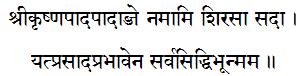
Sri Vadakku Thiru Veedhi Pillai

Birth place : Sri Rangam
Birth date : SarvaJith Year, Aani Month, Swathi Star
Sri Vadakku ThiruVeedhi Pillai comes in the lineage of the one of the 74 “mutt heads” instituted by Sri Ramanuja himself.
His son is another famous Sri Vaishnava Acharya by name, Pillai Loka Chariar.
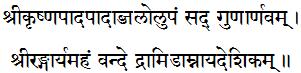
Sri RangaCharyar

Birth place : Thirunaryanapuram
Birth date : Siddharthi year, chittirai month, Revathi Star
He is a famous sishyar of Sri Vadakku Thiru Veedhi Pillai
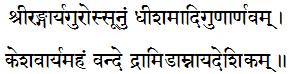
Sri Kesavachariar

Birth place : Thirunaryanapuram
Birth date : Kara Year, Masi month, Punarvasu Star
He is the son of Sri Rangeshwarar
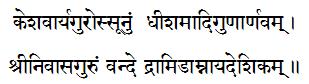
Sri Kamalaavasar

Birth place : Thirunaryanapuram
Birth date : Dhundhubi Year, Purattasi Month, Sravana Star
He is the son of Sri Kesavachariar
Sri Kesavachariar

Birth place : Thirunaryanapuram
Birth date : Svabhanu Year, Purattasi Month, Kettai Star
He is the son of Srinivasachariar
1st Pattam Srimad Athivan Satakopa Yatindra Mahadesikan
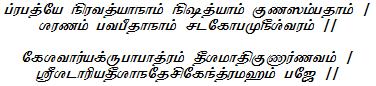
Birth place : Thirunarayanapuram
Birth date : Chithrarti Varusham, Purattasi, Kettai, Shukla Paksha Pancami (Sep 1379)
Sanyasaasramam : Bhahudhanya varusham, Purattasi, Shukla Paksha Pancami (Sep 1398)
Paramapatham : Bhahudhanya varusham, Chittrai, Krishna Paksha Ekadasi (Apr 1458)
Nirvaham : 59 years, 7 months
Brindavanam : Thirukalyana Theeram, Thirunarayanapuram
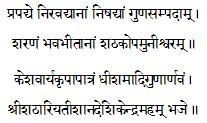
Initiated into Sanyasashrama by Lord Lakshminrisimha. The title "Athi" stannds for Athipiran of Azhvar Thirunagari. The title "Van Satakopan" stands for Namazhhvar. This Azhagiya Singar rescued and revived Azhvar Thirunagari temple and brought Azhvar dhivya mangala vigraham back to the temple. This is the occassion when Lord Athipiran referred to Nammazhvar with the "Nam" prefix. From this day forward the Azhvar became known as Nammazhvar.
Among the many kainkaryams performed by Srimad Athivan Satakopan are (i) Swami Sri Desikan sannidi and Raja Gopuram for Thirunarayanapuram temple, (ii) Steps for Thirumalai, (iii) 100 pillar hall at Kanchipuram, (iv) repair Sri Rangam wall, (v) Dasavathran Sannidi with Sannidi for Thirumangai Azhvar, and (vi) Swami Sri Desikan Sannidi opposite to Ranga Nachchiyar sannidi at Sri Rangam.
This Azhagiya Singar initiated Sri Manavala Mamunigal into Sanyasaasramam.
2m Pattam Sriman Narayana Yathindra Maha Desikan
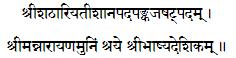

Birth date : Avani Month, Kettai Star
Purvasrama Thirunamam : Thirumalai Nambakkam Krishnamachariar
Sanyasaasramam : Bahudhanya Year, Chittirai Star, 1458, Shukla Panchami Day
Paramapatham : Nandana year, Panguni Month, 1473, KrishnaPaksham, Dvidhiyai Thithi
Brindavanam : Near Kalyani river bed in ThirunaryanaPuram
He did sancharam from ThirunarayanaPuram to Srirangam. He did "vigraha prathistai" of Sri Adivan Satakopa Jeer at Sri Thirunarayanan Sannidhi and at Sri Adivan Satakopa Jeer "brindhavanam". He wrote about 60 Granthas on Sri Adivan Satakopa Jeer's command.
3m Pattam Sri Paranguasa Yathindra Maha Desikan
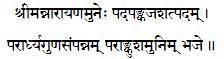

Birth place : Malaiyangulam (Kanchipuram)
Birth date : Thai month, Sravana Star
Sanyasaasramam : 1473 Nandana Year, Panguni Month
Purvasrama Thirunamam : Kandhadai KrishnaYagwa
Paramapatham : Krodhi Year, Thai month, 1485, KrishnaPaksha Chaturdasi
Brindavanam : SriMushnam
He did sancharam from ThirunarayanaPuram to Srirangam. He held discourses about various aspects of our Sampradayam in many places like Oragadam, Palaputtur and reached Srirangam. He had special regard for Sri Bhoovaraghar Perumal at Srimushnam.
4m Pattam Sri Srinivasa Yathindra Maha Desikan
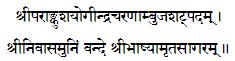

Birth date : Margazhi month, Chittirai Star
Sanyasaasramam : 1485 year, Krodhi Year, Thai month
Paramapatham : PramaDhisa Year, Chittirai Star, 1493, KrishnaPaksha Chatturthi
Brindavanam : Sri Singar Koil
He did sancharam from Sri Mushnam to all North Indian Divya Desams and finally settled near Sri SingarKoil to give Ubhaya Vedantha Grantha discourses to disciples. During his last days, he was worried about the next Madathipathi (Mutt head) after him. Sri Lakshmi Nrisimha himself appeared in his dreams to direct him to the next head of the Mutt.
5m Pattam Sri SarvaThanthra Swanthra Satakopa Yathindra Maha Desikan
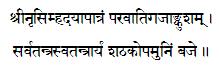

Birth place : Kandalur
Birth date : Athreya Ghothram, Karthikai month, Krithika Star
Sanyasaasramam : 1493 Pramadheesa Year, Chithirai Star, Krishna Dvithiyai Thithi
Paramapatham : Krishna River bed, Kalayukthi year, Thai Month, 1499, Krishna Paksham, Navami Thithi
Brindavanam : Krishna Deeram
He did sancharam from Thiruamalai to many North India Divya Desams and gave many discourses on many different Granthas. He was given the title of "Sarva thantra swanthrar" by many learned scholars, as he was widely believed to be proficient in all aspects of our philosophy.
6m Pattam Sri Shasta Parangusa Yathindra Maha Desikan

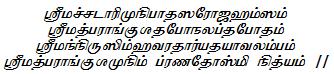
Birth place : Karalapakkam (near Thiruvallur)
Birth date : Thai month, Purattadhi Star, Bharadwaja Ghotram
Purvasrama Thirunamam : Vangipuram Venkatachari Swami
Sanyasaasramam : Kalayukthi year, Thai month, 1499 year, Krishna Paksham, Dasami Thithi
Paramapatham : Angirasa Year, Masi Month, Krishna Paksham, Panchami Thithi (1513)
Brindavanam : A cave in Ahobilam
He is a very famous acharya in our lineage after Sri Adivan Satakopa Jeer. He initiated PanchamathaPanchanam Sri ThathaChariar Swami into Sri Sannithi Sri Karyam Kainkaryam. He did Sancharam from Sri Rangam to Sri Ahobilam and had many disciples.
One of the VijayaNagar Kings, Sri SadaSivaRayan had very great regard for this Jeer and gave "Sri BhasyaPuram" village to Sri Ahobila Mutt. One day, his daughter became possessed by a very powerful evil spirit and the magicians who were asked to help, could not do anything. The evil spirit said that if our Jeer will come and ask it to leave, it will do the same. This Jeer went to the king's palace and gave Sri Sannithi holy water to the king's daughter. The evil spirit left the king's daughter, as promised and this Jeer became very famous.
Sri Ahobila Nrishimhar at Upper Ahobilam, came in his dreams and asked him to come to his Sanctum Sanctorum and spend the rest of the Jeer's life deep in a cave just below the Sanctum Sanctorum. So, this Jeer gave the Sri Sannithi duties to one of his disciple and left for Ahobilam. After some years, one of the Jeer's disciples, Sri Thatachariar swami went to Upper Ahobilam, unable to bear his Guru's separation. It is said that this Jeer came in person and after comforting the disciple, went back to his penance.
It is believed that even now, he is in a deep yogic penance just under the Sanctum Sanctorum.
7m Pattam Sri SatagopaYathindra Maha Desikan
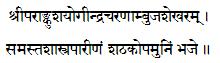

Birth place : Elangadu (Kanchipuram)
Birth date : Bharadwaja Ghotram, Vaigasi Month, Visaka Star
Sanyasaasramam : Angirasa Year, Masi month, 1513
Paramapatham : Vishu Year, Panguni Month, 1522 Year, Purnima Thithi
Brindavanam : Sri Rangam
He became the head of the Mutt at the early age of 25, in accordance with Sri Lakshmi Nrusimhar's command. He did Sancharam from Sri Ahobilam to down South till SethuKarai. He wrote many Granthas like Vasanthika Parinayam.
8m Pattam Sri Parangusa Yathindra Maha Desikan
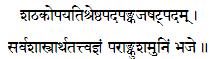

Birth date : Margazhi month, Aswini Star,
Sanyasaasramam : Vishu Year, Panguni Month, 1522, Shukla Ekadasi
Paramapatham : HemaVilambi Year, Margazhi month, 1538, Krishna Paksham, Panchami Thithi
Brindavanam : Sri Rangam
He stayed in SriRangam during his entire life and gave discourses to disciples.
9m Pattam Sriman Narayana Yathindra Maha Desikan
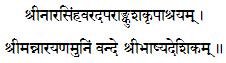

Birth date : Aani Month, Thiruvadhirai Star
Sanyasaasramam : 1538, HemaVilambi year, Margazhi month
Paramapatham : Subhakrith Year, Aani Month, 1542, Krishna Chathurthi
Brindavanam : Sri Ahobilam
He did Sancharam from Sri Rangam to ThiruKudanthai. He undertook many temple repairs and mantapam construction activities for the Araavamudan Sannidhi. He continued his Sancharam/discourses in many places before reaching Sri Ahobilam, where he undertook many temple repairs and other kainkaryams.
10m Pattam Sri Satakopa Yathindra Maha Desikan
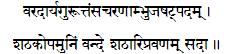

Birth date : Vaikasi Month, VisAkam Star
Sanyasaasramam : 1542, Subakruth Year, Krishna Thritheeyai in Ahobilam
Paramapatham : 1559, Sidharthi year, Ani month, Krishna Dwadasi
Brindavanam : Thirunarayanapuram
He traveled from Ahobilam and performed MangalasAsanam at Thirupathi, and other Divya DEsams in the South and went to ThirunArAyaNapuram. He was giving discourses to many sishyAs there until he attained Paramapadam.
11th Pattam Srivan Satakopa Sri Srinivasa Yathindra Mahadesikan
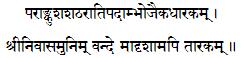

Birth date : Aippasi, Moolam
Sanyasaasramam : Siddaarthi Varusham, Ani (July 1559)
Paramapatham : Vilambi Varusham, Chittirai, Krishnapaksham Chaturdasi( April 1598)
Nirvaham : 38 years, 9 months
Brindavanam : Srirangam
12th Pattam Srivan Satakopa Sriman Narayana Yathindra Mahadesikan
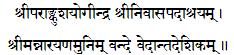

Birth date : Purattasi, Poorva Phalguni
Sanyasaasramam : Vilambi Varusham, Chittirrai (Apr 1598)
Paramapatham : Aangirasa Varusham, Purattasi, Krishnapaksham Sashti( Sep 1632)
Nirvaham : 34 years, 5 months
Brindavanam : Thirunarayanapuram
13th Pattam Srivan Satakopa Sri Veeraraghava Yathindra Mahadesikan
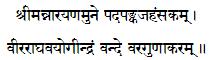

Birth date : Aani, Utthiradam
Sanyasaasramam : Aangirasa Varusham, Purattasi (Sep 1632)
Paramapatham : Nala Varusham, Ippasi, Krishnapaksham Sashti( Oct 1676)
Nirvaham : 44 years,1 month
Brindavanam : Srirangam
14th Pattam Srivan Satakopa Sriman Narayana Yathindra Mahadesikan
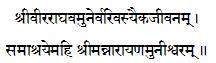

Birth date : Aadi, Utthiradam
Sanyasaasramam : Nala Varusham, Ippasi (Oct 1676)
Paramapatham : Akshaya Varusham, Aadi, Amavasyai( Aug 1686)
Nirvaham : 9 years,10 months
Brindavanam : Thirukkandiyur
15th Pattam Srivan Satakopa Kalayana Sri Veeraraghava Yathindra Mahadesikan
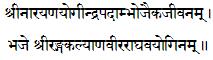

Birth date : Thai, Chittirai
Sanyasaasramam : Akshaya Varusham, Aadi, Poornimai (Aug 1686)
Paramapatham : Bhava Varusham, Purattasi, Krishnapaksha Ekadasi( Oct 1694)
Nirvaham : 8 years, 2 months
Brindavanam : Perumalkoil
16th Pattam Srivan Satakopa Sri Satakopa Yathindra Mahadesikan
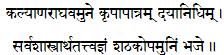

Birth date : Margazhi, Mirugaseersham
Sanyasaasramam : Bhava Varusham, Purattasi (Oct 1694)
Paramapatham : Bhagudhanya Varusham, Vaikasi, Suklapaksha Ashtami ( Jun 1698)
Nirvaham : 3 years, 8 months
Brindavanam : Thirukkudanthai
17th Pattam Srivan Satakopa Sri Veeraraghava Vedanta Yathindra Mahadesikan
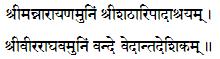

Birth date : Purattasi, Sathayam
Sanyasaasramam : Bhagudhanya Varusham, Vaikasi (Jun 1698)
Paramapatham : Pramadhisa Varusham, Thai, Krishnapaksha Prathamai (Jan 1734)
Nirvaham : 35 years, 7 months
Brindavanam : Thiruputkuzhi
18th Pattam Srivan Satakopa Sriman Narayana Yathindra Mahadesikan
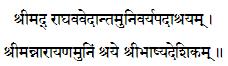

Birth date : Purattasi, Aayilyum
Sanyasaasramam : Pramadhisa Varusham, Thai (Jan 1734)
Paramapatham : Raaksha Varusham, Aadi, Krishnapaksha Ekadasi (Jul 1735)
Nirvaham : 1 year, 6 months
Brindavanam : Srirangam
19th Pattam Srivan Satakopa Sri Srinivasa Yathindra Mahadesikan
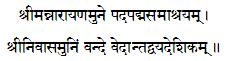

Birth date : Maasi, Magam
Sanyasaasramam : Raaksha Varusham, Aadi (Jul 1735)
Paramapatham : Krodhana Varusham, Maasi, Suklapaksha Chathurthi(Feb 1746)
Nirvaham : 10 years, 7 months
Brindavanam : Pullabhuthangudi
20th Pattam Srivan Satakopa Sri Veeraraghava Yathindra Mahadesikan
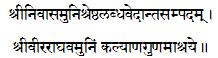

Birth date : Purattasi, Moolam
Sanyasaasramam : Krodhana Varusham, Maasi (Feb 1746)
Paramapatham : Prabhava Varusham, Panguni, Krishnapaksha Sapthami(Mar 1748)
Nirvaham : 2 years, 1 month
Brindavanam : Vadadesam
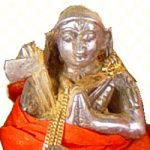
21th Pattam Srivan Satakopa Sri Parangusa Yathindra Mahadesikan
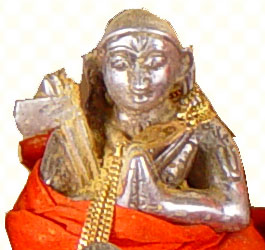
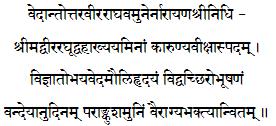

Birth date : Panguni, Hastham
Sanyasaasramam : Prabhava Varusham, Panguni (Mar 1748)
Paramapatham : Eswara Varusham, Karthigai, Krishnapaksha Chathurthi (Nov 1757)
Nirvaham : 9 years, 8 months
Brindavanam : Palamedu
22th Pattam Srivan Satakopa Sriman Narayana Yathindra Mahadesikan
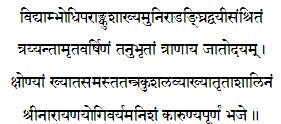

Birth date : Aadi, Rohini
Sanyasaasramam : Eshwara Varusham, Margazhi (Jan 1758)
Paramapatham : Bhagudhanya Varusham, Aadi, Krishnapaksha Sashti (Aug 1758)
Nirvaham : 7 months
Brindavanam : Palamedu
23th Pattam Srivan Satakopa Sri Veeraraghava Yathindra Mahadesikan
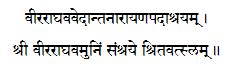

Birth date : Aani, Uttirattadi 8
Sanyasaasramam : Bhagudhanya Varusham, Aadi, Krishnapaksham (Aug 1758)
Paramapatham : Svabhanu Varusham, Thai, Suklapaksha Dasami (Feb 1764)
Nirvaham : 5 years, 6 months
Brindavanam : Srirangapattinam
24th Pattam Srivan Satakopa Sri Parangusa Ramanuja Yathindra Mahadesikan

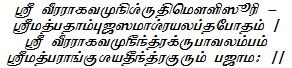
Birth date : Chittirai, Punarpusam
Sanyasaasramam : Svabhanu Varusham, Thai(Feb 1764)
Paramapatham : Manmatha Varusham, Maasi, KrishnaTrithiai(Mar 1776)
Nirvaham : 12 years, 1 month
Brindavanam : Kokarayanpettai
25th Pattam Sri Srinivasa Yatindra Mahadesikan

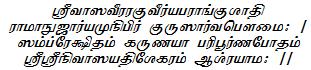
Birth place : Gadadharapuram
Birth date : Adi, Swathi
Sanyasaasramam : Manmada varusham, Panguni, Sukhla Pancami (March 1776)
Paramapatham : Prajothpatthi Varusham, Karthikai, Powrnami (Nov, 30, 1811)
Nirvaham : 35 years, 8 months
Brindavanam : Sri Nrisimhapuram
Vainadeya Avatharam. Due to jealousy a few people tried to poison this Srimad Azhagiya Singar. By chanting Sri Nrisimhanushtup Manthra Srimad Azhagiya Singar rendered the poison harmless. Defeated Surapuram Swami in debate and accepted him as a sishya. King of Gadval Somabupalan and King Saraboji became sishyas. Texts authored include, Sachcharidha Rathnavali, Sri Nrisimha Sthavam, and Sri Nrisimha Mangalam.
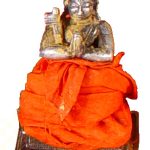
26th Pattam Srivan Satakopa Sri Ranganatha Yathindra Mahadesikan
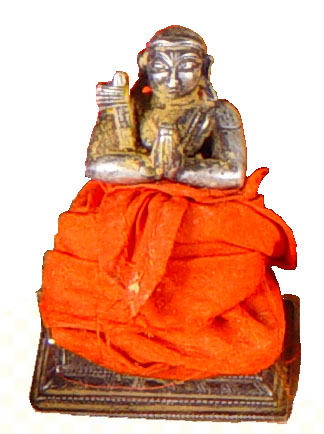

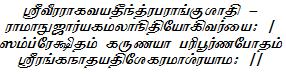
Birth date : Aadi, Puram
Sanyasaasramam : Prajothpathi Varusham, Karthigai, (Nov 21, 1811)
Paramapatham : Sarvadhari Varusham, Margazhi, Suklachathurthi (Dec 10, 1828)
Nirvaham : 17 years, 1 month
Brindavanam : SriNrisimhapuram
27th Pattam Srivan Satakopa Sri Veeraraghava Yathindra Mahadesikan
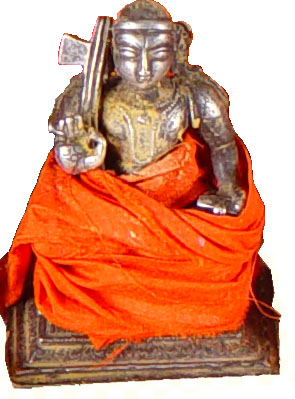

Birth date : Vaikasi, Avittam
Sanyasaasramam : Sarvadhari Varusham, Margazhi(Jan 10, 1829)
Paramapatham : Kara Varusham, Aavani, Suklapaksha Astami (Aug 17, 1831)
Nirvaham : 2 years, 7 months
Brindavanam : Katwal
28th Pattam Srivan Satakopa Sri Ranganatha Satakopa Yathindra Mahadesikan

Birth date : Aavani, Moolam
Sanyasaasramam : Vijaya Varusham, Aani(July 7, 1833)
Paramapatham : Dhurmugi Varusham, 3rd day of Margazhi, Thursday, Krishnapaksha Sapthami (Dec 29, 1836)
Nirvaham : 3 years, 5 months
Brindavanam : SriMadhurantakam
29th Pattam Srivan Satakopa Sri Parangusa Ramanuja Yathindra Mahadesikan


Birth date : Chittirai, Chitra
Sanyasaasramam : Dhurmugi Varusham, Karthigai(Nov 17, 1836)
Paramapatham : Heyvilambi Varusham, 3rd day of Margazhi, Saturday, Krishnapaksha Chathurthi (Dec 16, 1837)
Nirvaham : 1 year, 1 month
Brindavanam : Thirupparkadal
30th Pattam Srivan Satakopa Sri Srinivasa Vedanta Yathindra Mahadesikan

Birth date : Margazhi, Visakam
Sanyasaasramam : Dhurmugi Varusham, Panguni(Mar 15, 1837)
Paramapatham : Subhakruthu Varusham, 13th day of Purattasi, Tuesday, Krishnapaksha Chathurthi (Sep 27, 1842)
Nirvaham : 5 years, 6 months
Brindavanam : SriNrisimhapuram
31st Pattam Srivan Satakopa Sriman Narayana Vedanta Yatindra Mahadesikan

Birth date : Karthigai, Maham
Sanyasaasramam : Subhakruthu varusham, Karthigai, (Dec 7, 1842)
Paramapatham : Parabava varusham, 19th day of Panguni, Sukla Paksha Chathurthasi, Tuesday(Mar 30, 1847)
Nirvaham : 4 years, 4 months
Brindavanam : Cauvery Theeram, Thyagarajapuram
32nd Pattam Srivan Satakopa Sri Veeraragahava Yatindra Mahadesikan

Birth date : Chittirai, Purattadi
Sanyasaasramam : Parabava varusham, 21st day of Purattasi,Sukla Paksha Chathurthi, Wednesday (Mar 30, 1847)
Paramapatham : Pramadisa varusham, 21st day of Purattasi, Sukla Chathurthi, Wednesday(Oct 30, 1853)
Nirvaham : 6 years, 7 months
Brindavanam : Thiruvallur
33rd Pattam Srivan Satakopa Sri Satakopa Yatindra Mahadesikan

Birth date : Visakam, Purattasi
Sanyasaasramam : Pramadhisa varusham, Aavani, Shukla Dasami (Sep 12, 1853)
Paramapatham : Pramati varusham, 27th day of Aavani, Wednesday, Krishna Paksha Dasami (Sep 10, 1879)
Nirvaham : 26 years
Brindavanam : Thiruevullur
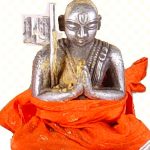
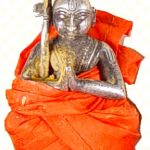
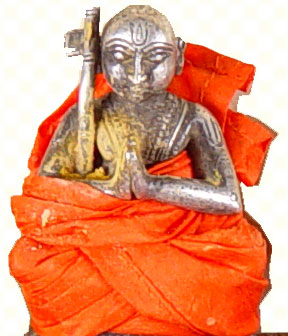
34th Pattam Sri Lakshmi Nrisimha Divya Paduka Sevaka Srivan Satakopa Sri Ramanuja Yatindra Mahadesikan
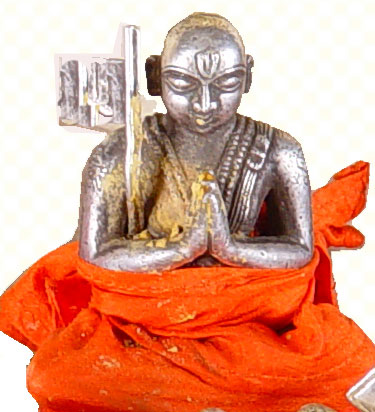
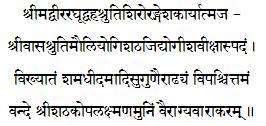

Birth date : Uttiradam, Karthigai, Srimukha varusham (Nov 1813)
Sanyasaasramam : Pramati varusham, 29th day of Aavani, Friday, Krishna Ekadasi, Pushyam (Sep 12, 1879)
Paramapatham : Chitrabanu varusham, 21st day of Purattasi, Thursday, Krishna Paksha Dasami (Oct 5, 1882)
Nirvaham : 3 years, 1 month
Brindavanam : Thiruevullur
35th Pattam Sri Ranganatha Satakopa Yatindra Mahadesikan

Birth date : Kettai, Vaikasi
Sanyasaasramam : Chitrabanu varusham, Purattasi, Tuesday, Rohini (Oct 3, 1882)
Paramapatham : Sarvadhari varusham, 28th day of Aadi, Friday, Shukla Chaturti, Purva Phalguni(Aug 10, 1888)
Nirvaham : 5 years, 10 months
Brindavanam : Thiruevullur
36th Pattam Sri Srinivasa Yatindra Mahadesikan

Birth date : Pushyam, Aadi
Sanyasaasramam : Sarvadhari varusham, 31st day of Aadi, Monday, Swati (Aug 13, 1888)
Paramapatham : Vilambi varusham, 14th day of Margazhi, Tuesday, Mirugasirisham, Purnimai (Dec 27, 1898)
Nirvaham : 10 years, 4 months
Brindavanam : Paadhoor
37th Pattam Sri Veeraraghava Satakopa Yatindra Mahadesikan

Birth date : Pushyam, Maasi, Krothi varusham (Mar 1845)
Sanyasaasramam : Vilambi varusham, Thai(Jan 31, 1899)
Paramapatham : Vikari varusham, 2nd day of Margazhi, Saturday, Purnimai, Aswini (Dec 16, 1899)
Nirvaham : 11 months
Brindavanam : SriNrisimhapuram
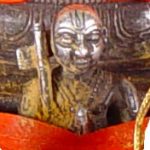
38th Pattam Srivan Satakopa Sri Srinivasa Satakopa Yatindra Mahadesikan

Birth date : Thiruvadarai, Thai, Siddharthi varusham, Sukla Dwadasi, Friday(Jan, 1860)
Sanyasaasramam : Viswavasu varusham, 2nd day of Aadi, Monday, Uttiradam, Poornimai(Jul 17, 1905)
Paramapatham : Sowmya varusham, Chittirai, Krishna Paksha Astami, Wednesday (May 12, 1909)
Nirvaham : 3 years, 10 months
Brindavanam : SriNrisimhapuram
39th Pattam Srivan Satakopa Sri Parangusa Yatindra Mahadesikan

Birth date : Bharani, Vaikasi
Sanyasaasramam : Sowmya varusham, 8th day of Vaiksai, Mirigasirisham, Friday(May 21, 1909)
Paramapatham : Raaksha Varusham, 7th day of Vaikasi, Sukla Panci, Thursday (May 20, 1915)
Nirvaham : 6 years
Brindavanam : SriRajamannarkoil
40th Pattam Sri Lakshmi Nrisimha Divya Paduka Sevaka Srivan Satakopa Sri Ranganatha Satakopa Yatindra Mahadesikan
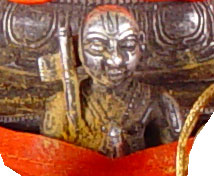

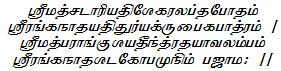
Birth date : Visakam, Margazhi, Virodhikrith varusham (Dec, 1851)
Sanyasaasramam : Pramati varusham, 8th day Chittirai, Pushyam, Monday (Apr 17, 1913)
Paramapatham : Tunthubi varusham, 1st day of Thai, Krishna Paksha Trayodasi (Jan 14, 1923)
Nirvaham : 9 years, 9 months
Brindavanam : Thvarimaan Agraharam in the banks of Vaigai river near Madurai
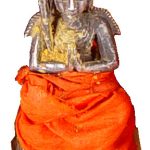
41st Pattam Srivan Satakopa Sri Lakshmi Nrisimha Satakopa Yatindra Mahadesikan
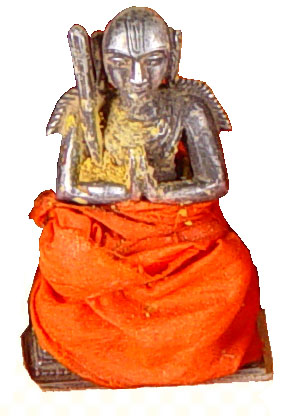

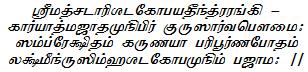
Birth date : Purattadi, Margazhi, Ananda varusham (Dec 1854)
Sanyasaasramam : Tunthubi varusham, 4th day of Thai (Jan 17, 1923)
Paramapatham : Vishu varusham, Ippasi, Sukla Pancami (Oct 1941)
Nirvaham : 18 years, 9 months
Brindavanam : Srirangam
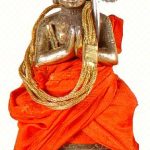
42nd Pattam Sri Sriranga Satakopa Yatindra Mahadesikan
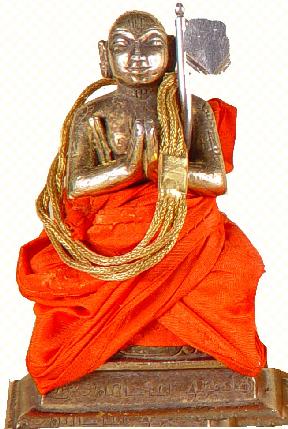
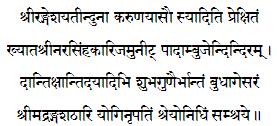

Birth date : Uttiradam, Thai, Bahudhanya varusham (Jan 21, 1879)
Sanyasaasramam : Sukla varusham, Chittirai (Apr 1929)
Pattabishekam : Vishu varusham, 8th day of Ippasi, Sukla Pancami, Friday (Oct 24, 1941)
Paramapatham : Nandana varusham, 18th day of Maasi, Krishna Pratami, Sunday (Mar 1, 1953)
Nirvaham : 23 years, 10 months
Brindavanam : Thiruevullur
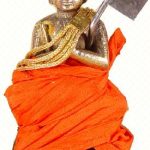
43rd Pattam Sri Veeraraghava Satakopa Yatindra Mahadesikan

Birth date : Puraadam, Karthigai, Plava varusham (1901)
Sanyasaasramam : Vikkruti varusham, 27th day of Thai, Friday (Feb 9, 1951)
Pattabishekam : Nandana varusham, 30th day of Maasi, Friday (Mar 13, 1953)
Paramapatham : Hayvilambi varusham, 9th day of Karthigai, Sukla Truthiyai, Sunday (Nov 24, 1957)
Nirvaham : 5 years, 10 months
Brindavanam : Naimisaryanam
44th Pattam Sri Vedanta Desika Yatindra Mahadesikan

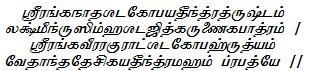
Birth date : Hastham, Aavani, Manmatha varusham (Aug, 1895)
Sanyasaasramam : Hayvilambi varusham, Karthigai, Sravanam (Nov 27, 1957)
Pattabishekam : Karthigai (Dec 6, 1957)
Paramapatham : Aangirasa varusham, 32nd day of Aadi, Krishna Truthiyai, Purattadi (Aug 16, 1992)
Nirvaham : 35 years
Brindavanam : Srirangam
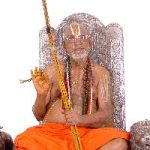
45th Pattam Srivan Satakopa Sri Narayana Yathindra Mahadesikan
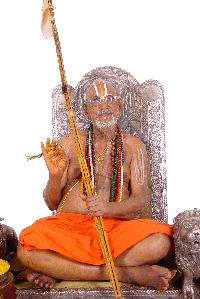

Birth date : Akshaya Varusham, Uttirattadi, Shukla Paksha Navami, Pazhaveri (Dec 12 1926)
Sanyasaasramam : Prajotpaththi Varusham, Uttirattadi, Srirangam (Oct 21 1991)
Paramapatham : Vijaya Varusham, Vaikasi 5th, S.Navami, Pooram, Sunday, May 19th 2013
Nirvaham : 22 years
Brindavanam : Srirangam
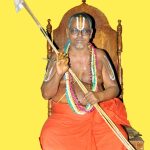
46th Pattam Srivan Satakopa Sri Ranganatha Yathindra Mahadesikan
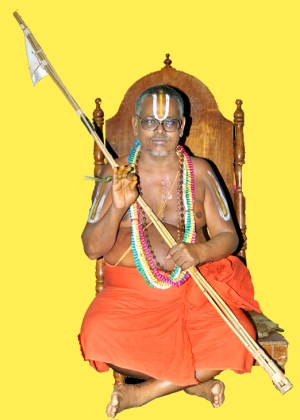
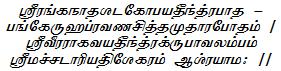
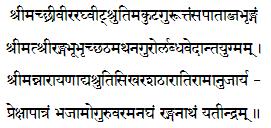
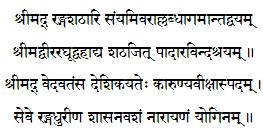
VedAnta Desika Yateendhra KaDAkshalaBdha Trayyanta sAramanavadhya guNam BudhAgryam NaarAyaNAdhya Yatidhurya krupAbhshiktam SrIranganAtha YatiSEkharam ASarayAma:
Birth place : Thillai Vilagam, Thiruvarur District, TN
Birth date : June 23, 1955
Sanyasaasramam : May 8, 2009
Nirvaham : Current
Pradamacharyan Sriapathi Sriman Narayana
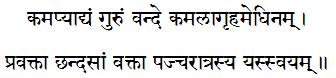

The above verse salutes the Sri Vaishnava Acharya Guru Parampari staring with Lakshminathan, with the middle order decorated by Sriman Nathamuni and Yamuna Muni, and ending with our own Acharyan in this life.
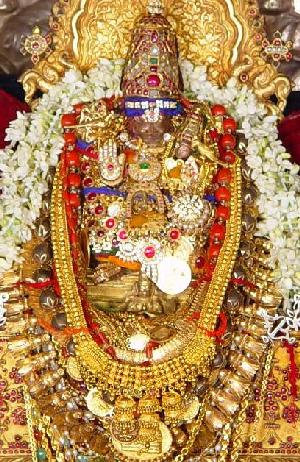
The picture seen here is Malola Lakshminrisihan of Sri Ahobila Matam.
Thayar (divine mother) Mahalakshmi
Thayar Mahalakshmi is the second Acharyan immediately after Sriman Narayana. She acts as a Purushakara (recommending intermediary) between Badda Jivathma and Sriman Narayana. Without the compassion of the divine mother it would be impossible to approach the Lord.
The picture shown here is that of Senchu Lakshmi Thayar in Ahobilam.
Visvaksenar
Thirunakshatram: Adi – Pooradam
Visvaksenar (Senai mudaliyar) is the third Acharya in the glorious line of Acharyas starting from Sriman Narayana. Visvaksenar is the first Acharya who is a Jivathma. Sriman Narayana and Thayar Maha Lakshmi belong to Iswara Vargam.
The Parama-Vaidika Sri Vaishnava sampradayam is passed on by Visvaksenar to Nammazhvar who is in fact a Visvaksenar Avatharam in Bhu Lokam.
The picture seen here is Visvaksenar’s Dhivya Mangala Vighraham in Sri Ahobila Matam.
Swami Nammazhvar
Birth place : Azhvar Thirunagari
Birth date : The 43rd day of Kali Yugam, Bahudanya varusham, Vasantha Ruthu, Vaikasi masam, Visaka nakshatram, Sukhla Paksha Powrnami
Swami Nammazhvar is known as Prapannajana Kootasthar (Chief among those who have surrendered). Among the twelve revered Azhvars who are shining stars of Sri Vaishnavam, Swami Nammazhvar is the only Azhvar who is part of the divine Acharya Guruparamparai. This is because it is through Swami Nammazhvar the Sri Vaishnava Sampradayam got Nalayira Dhivya Prabhandham. This is explained further in the next Acharya Sriman Nathamuni’s page.
The picture seen here is Nammazvar’s Dhivya Mangala Vighraham in Sri Ahobila Matam.
Sriman Nathamunigal
Birth place : Veeranarayanapuram (Near Chidambaram)
Birth date : Kali 3985, Shobakrith, Ani, Anusham
Sriman Nathamunigal is the first Acharya of the modern time. He revived Sri Vaishnavam by bringing out the 4000 poems of Azhvars into wide spread practice. Alavandhar, also known as Yamnucharya, was Srimad Nathamunigal’s grandson.
He authored texts including Nyaya Thatvam and Yoga rahasyam.
Sriman Pundarikakshar (a) Sriman Uyyakondar
Birth place : Thiru Vellarai
Birth date : Prabhava Year, Chittirai Month, Krithika Star (Kali 3987)
Main Sishyar of Sri Nathamunigal
Once he accompanied his Guru pathini (Sri Nathamunigal’s wife) to her parent’s house. Her parents did not know his greatness and treated him as just another servant, made him sit outside the house and fed him with previous day’s food. When Sri Nathamunigal inquired about the trip, he replied that he had the ‘Bhagyam’ of having ‘Bhagavatha Sesham’ (left-over food after Bhagavatha consumption). Sri Nathamunigal was very happy about his answer and named him “Uyyakondar”.
His sishyas include Sri Manakkal Nambi, PundarikaDasar and others.
Sri Maha Purnar (a) Sri Periya Nambigal
Birth place : Manakkal (near Sri Rangam, Trichy, India)
Birth date : Kali 4052, VirothiKrith Year, Masi Month, Makam Star
Main Sishyar of Sri UyyaKondar
One day, the two children of Sri UyyaKondar wanted to go for a bath in the river Kaveri and Sri Manakkal Nambi accompanied them. While returning back, there was a ditch that could not be crossed by the small children. Since they are his Guru’s children, Sri Manakkal Nambi lay over the ditch and made them cross the ditch, by using his back as a bridge. Sri Uyyakondar was very happy at this Guru Bhakti and blessed him. He also made Sri Alavandar, a great Sri Vaishnava Acharya. Sri Alavandar, became a king and started a normal life full of tamas and rajas influences. Sri RamaMishrar tried many times, without success, to meet him. In order to get his attention, Sri RamaMishrar started feeding Sri Alavandar, a type of sattvic food (a kind of spinach) by befriending a cook in the palace kitchens. One day, he stopped the feeding the spinach and Sri Alavandar called the cook to find out the reason and hence Sri RamaMishrar got a chance to meet the king. Sri Alavandar wanted to know, what Sri Ramamishrar wants in return, to which the latter replied that he has a wealth (from Sri Alavandar’s elders) that he wants to give to Sri Alavandar. Sri Alavandar followed Sri Ramamishrar in to the sanctum sanctorum of Sri Ranganatha Temple at Trichy. Sri Ramamishrar announced that Sri Ranganatha is that wealth and Sri Alavandar fell at his feet and became a great Sri Vaishnava Acharyan.
His famous sishyas include Sri Alavandar, Sri ThiruVinnakarappan and others.
Sri Alavandhar
Birth place : Veeranarayanapuram (Near Chidambaram)
Birth date : Datu, Adi, Uttiradam
Sri Alavandar is one of the foremost Sri Vaishnava Acharyas. He was the grandson of Sriman
Nathamunigal and a sishya of Sri Manakkal Nambi.
He studied under the tutelage of Sri Maha Bashya Battar. At that time, Sri Akki Azhwan who was thye court poet in the King’s court challenged Sri Sri Mahabashya Bhattar for a debate. Sri Alavandar decided to head to the court in place of his Guru, who was indisposed at that time.
Everyone in the court was surprised that a young boy has challenged the mighty Aki Azhvan. However, the queen was facinated and taken by Sri Alavandar’s manifest brilliance and courage. She made a wager with the king, that if Sri Alavandar loses, the queen will serve the king, as a servant and if not, the king should give half his kingdom to Sri Alavandar. Sri Alavandar asked the court poet to prove false the following three statements: (1) The court poet’s mother is infertile. (2) The king is an Emperor (rules the whole world) (3) The queen is not chaste. The court poet could not prove false any of the statements and accepted defeat. Sri Alavandar proved all the statements as false through the following Sastras. (1)Since the court poet is the only child, according to Sastras, his mother can technically be called infertile. (2) An Emperor is one who rules the whole world, but the king rules only the Chozha land and (3) In Hindu Vedic marriage, the bride is married (through Mantras) to different Devas like Soman, Agni etc., and the king is married to the queen only as the fourth groom and so the queen can technically be called unchaste. The queen immediately called out “Emmai Alavandeero?” (you are my savior) and hence, his name became “Alavandar”. Sri Alavandar was given half the land and so, he became a King himself.
Sri Manakkal Nambi (a) Rama Mishrar, carrying out his Guru Sri UyyaKondar’s orders, brought Sri Alavandar into Sri Vaishnava Acharya lineage
He learnt yoga rahasyas from Sri KurukaiKavalappan (Sri Nathamunigal’s sishya).
He is the main reason behind bringing Sri Ramanujar (Emperumanar) into Sri Vaishnava fold, even though he did not teach Sri Ramanujar directly. He noticed Sri Ramanujar, doing service to Sri YadavaPrakasar and prayed Sri Varadaraja Perumal (Kanchipuram) to make Sri Ramanujar come into Sri Vaishnava fold and spread Sri Vishishtadvaitam philosophical doctrine.
On his deathbed, he instructed Peria Nambigal to invite Sri Ramanujar to visit him. But, before Sri Ramanujar came, Sri Alavandar had left for Paramapadam (died) but had three fingers clenched together to direct Sri Ramanjuar. When Sri Ramanujar came and promised that he will do (1) Vishnu Purana Bhasyam (2) Spread Sri Nammalwar’s works through a Bhasyam and (3) A bhasyam for Sri Veda Vyasa’s Brahma Sutras, from Vishishtadvaitha principle’s point of view, Sri Alavandar’s clenched fingers became straight.
His famous works include Sri Chatusloki, Sri Stotra Ratnam etc.,
His famous sishyas include Periya Nambi, Thiru Koshtiyur Nambi and Thiru Malai Andaan.
He authored texts including Agamapraamanyam, Purusha Nirnayam, Athmasiddi, Samvithsiddi, Iswarasiddi, Geetharttha Sangraham, Chatusloki, and Sthothra Rathnam.
Sri Maha Purnar (a) Sri Periya Nambigal
Birth place : Trichy
Birth date : Kali, Haevilambi Year, Margazhi Month, Kettai Star, Bharadwaja Gothram
Main Sishyar of Sri Alavandar
Sri PeriaNambigal was chosen by Sri Alavandar to bring Sri Ramanujar to Sri Rangam from Kanchipuram. At that time, Sri Ramanujar was doing “Theertha Kainkaryam” ( fetching well water for temple use) for Sri Varadarajar Temple. Sri Periya Nambigal chanted aloud one of Sri Alavandar’s Sookthis (compositions) and Sri Ramanujar was so impressed by the inner meaning that he asked Sri PeriyaNambigal about the authorship. Sri Ramanujar then accompanied Sri PeriyaNambigal to Sri Rangam to visit Sri Alavandar.
At Sri Vardaraja Perumal’s command, Sri Ramanujar became a disciple of Sri Periya Nambigal
His main sishyas include Sri Ramanujar and Sri Thirukacchi Nambigal
Sri Ramanuja (a) Sri Emberumanar (a) Sri YathiRaja
Birth place : Sriperumpudur
Birth date : 950 years ago, Kali, Pingala Year, Chittirai Month, Thiruvadirai Star
Sri Ramanuja is like the central pendant or stone in the garland of our Acharya lineage. He is one of the most famous acharyas who established Sri Visishtadvaita doctrine in a firm ground, according to the wishes of Sri Alavandar.
He started his in-depth studies, as an advaita student under Sri YadavaPrakasar of Kanchipuram. Govindha Battar, his cousin, also joined Sri Ramanujar during his studies. Sri Ramanujar excelled as a student and even corrected Sri YadavaPrakasar’s explanations of Upanishads. This brought about a tinge of unpleasantness in Sri YadavaPrakasar’s attitude towards Sri Ramanujar. The famous incident, where Sri Ramanujar gave a superior explanation to Sri YadavaPrakasar’s explanation of the word “Kapyasam” fueled this unpleasantness to the extent that the Guru plotted to kill his illustrious student. He invited both Sri Ramanujar and Sri GovindhaBattar to accompany him to Ganga Yatra and plotted to kill him there.
Sri GovindaBattar got to know about the plot and warned Sri Ramanujar, who ran away from the group and tried to go back to Kanchipuram. On his way back, Sri Varadaraja Perumal and Sri Perundevi Thayar, the Divine Dampathis themselves, came disguised as a hunter couple and helped him reach Kanchipuram.
In the meantime, Sri Alavandar visited Kanchipuram and felt very happy by Sri Ramanujar’s radiance and prayed Sri Varadaraja Permual to make Sri Ramanuja come into the Sri Vaishnava fold.
At this time, the Divine Dampathis decided to bring to light, Sri Ramanujar’s greatness. The king’s daughter became possessed by a “Brahma Rakshasa”, a formidable evil spirit. On king’s request, Sri Yadava Prakasar and his main students (including Sri Ramanuja) visited the palace to cure the king’s daughter. Sri Yadava Prakasar tried to cure the princess, but in vain. The evil spirit informed Sri YadavaPrakasa that it would move out, if Sri Ramanujar instructed him to do so. Sri Ramanujar instructed the evil spirit to leave and it left the princess’ body. Sri Ramanujar became famous.
Sri Ramanujar started doing “Theertha Kainkaryam” (fetching water from a well for temple use) at Sri Varadaraja Perumal Koil, based on orders from Sri Varadaraja Permual himself. This was conveyed by Sri ThiruKacchiNambigal to Sri Ramanujar. At the instruction of Sri Alavandar, Sri Peria Nambigal (one of Sri Alavandar’s sishyas) visited Kanchipuram and made Sri Ramanujar come with him to visit Sri Alavandar.
At that time, Sri Alavandar was in his deathbed and Sri Ramanujar made three promises ( to write vishnu Purana Bhasyam, Sri Bhasyam and explanations for Sri Nammalwar’s works).
After returning to Kanchipuram, Sri Ramanujar asked Sri Thiru Kacchi Nambigal to find out answers from Sri Varadaraja Permual to clear his doubts. Sri Varadaraja Permual gave the famous “Six words” that formed the basis of Sri Visishtadvaita philosophy and Sri Ramanujar’s magnum-opus work: Sri Bhasyam. One of the six words also instructed Sri Ramanuja to be a student under Sri Periya Nambigal. So, Sri Varadaraja Perumal himself gave the roots of our philosophy to Sri Ramanujar.
Sri Ramanujar underwent “Pancha Samskaram” by Sri Periya Nambigal in the Sri Kodanda Raman Temple at Madurantakam.
Sri Ramanujar’s wife committed three “Bhaghavata Apacharams” (sins committed against Sriman Narayana’s bhaktas) and due to that, Sri Ramanujar left her and undertook “Sanyasa Ashramam” in Kanchipuram. Sri Varadaraja Permul gave him the title of “YathiRajar”. Later Sri YadavaPrakasar himself became his Sishyar (student) and got the title of Sri “Govinda Jeeyar”.
When Sri Ramanujar visited Sri Rangam, Peria Permual himself asked him to attend to SriRangam Koil Kainkaryam and called him “Udayavar”. Later he visited Sri Thirukoshtiyur Nambi and requested him to bless him with explanations for the three important mantras of Sri Vaishnavism: Sri Moola Mantram, Dvyam and Charama Slokam. In order to let the world know about Udayavar’s conviction, Sri Nambigal turned him down seventeen times before giving him the explanations. Sri Nambigal also got a promise from Ramanujar that the latter will not reveal the explanations to anyone. Sri Ramanujar, with lots of compassion for other Sri Vaishnavas, immediately called Sri Kooratalwan and others and gave out the “Mantraartam” (explanations for the Mantras).
After this, Sri Ramanuja went on to write the famous “Sri Bhasya” and many other Granthams. Due to this, he got the title “Sri Bhasyakarar”. He also traveled to Tirumalai-Tirupathi and proved that the main idol (Moolavar) of the temple is “Archa Moorthy” of Sri Vishnu himself and not that of Shiva or Parvathi Devi, as widely suspected at that time. After performing many such miracles and establishing Sri Visishtadvaitam in a firm base, Sri Bhasyakarar established 74 Simmasanthipathis (heads of various Mutts) to propagate Sri Vaishnavism for ever. After giving all the responsibilities to Sri Pillan, Sri Ramanuja left this world and went to Sri Vaikuntam to serve the Divya Dampathis.
SrImath kUrESar (tirukkurukai-pirAn-piLLAn)

Birth place : Tirumalai (SrImath VENkaTam)
Birth date : kali 4134, SrImuka year, Iypassi mAsam, pUrvAshAda nakshatram
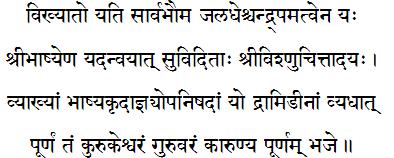
SrImath kUrESar incarnated as amSam of a nitya sUri named SrI prachaNDa:. He is the son of tirumalai-nambi. His gotram is SaTamarshanam. He did sampradAya pravachanam in places like SrIrangam. He is an important disciple of bhagavath rAmAnuja yatirAja swAmi. At the command of Bhagavath rAmAnuja, he composed the first commentary on the divya prabandam named tiru-vAi-mozhi in maNi-pravALam. It is named as bhagavath vishayam - tiruvARAyirappadi.
Bahagavad Ramanuja appointed 74 Simhasanatipati for the propagation of Sampradayam. Of the 74 Simhasanatipati, Sri Bhashyakarar appointed Thirukkurugai Piran Pillan, Nadadur, Azhvan, Kidambi Acchan, and Mudaliandan as Sri Bhashya Simhasanatipati and given the charge for the propagation Sri Bhashyam. Of these four, Bhagavad Ramanuja selected Thirukkurugau Piran Pillan as Ubhaya Simhasanatipati and gave him the charge of propagation of Sri Bhashyam and Bhagavad Vishyam.
SrImath EngaLAzhwAn - VishNu-chittar

Birth place : Thiruvellarai
Birth date : Kali 4169 kIlaka varusham vaikAsi mAsam swAti nakshatram
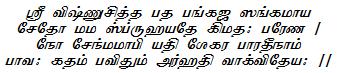
SrImath EngaLAzhwAn incarnated as the amSam of a nitya sUri named SrI vijayar. He did sampradAya pravachanam in places like SrI rangam. He composed a commentary named "SrI VishNu chittIyam" on SrI VishNu purANam (purANa ratnam).
SrImath nadAttUr ammAL - vAtsya varada guru

Birth place : SrI kAnchIpuram - perumAL kOvil
Birth date : Chittirai mAsam chitrA nakshatram
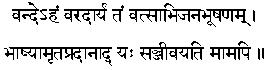
He incarnated as the amSam of a nitya sUri named SrI Subhadrar as the son of SrI dEvarAjAchArya swAmi in SrI vatsa gOtram. His is the grandson of SrImath varada guru who is a nephew of bhagavath rAmAnuja (pUrvASramam). He did sampradAya pravachanam in Sri kacchi vAithAn maNdapam and instructed his disciple SrI SudarSana sUri to document the magnificent grantam named Sruta-prakASika (commentary on SrI bhAshyam). His other works include
TattvasAara
PrapannapArijaata
PrameyamAla
AahnikacuudAmaNi
AarAdhanakramam
PrameyasAram
MangaLASAsanam
JnAnasAra
JayantidarpaNam
HetirAjastavam
Rahasyasangraham
Caturlakshanasangraham
ParatattvanirNayam
DramiDOpainishatsangraham
SrIbhAshyasangraham
SrImath appuLLAr - AatrEya rAmAnujAchAryar - vAdihamSAmbhuvAhAchAryar
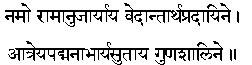

Birth place : SrI kAnchIpuram - perumAL kOvil
Birth date : chittirai mAsam Thiruvardhirai nakshatram
SrImath appuLLAr incarnated as the amsAm of a nitya sUri named SrI supratishTar in AatrEya gOtram as the son of SrI rangarAja piLLAn. He belongs to the family-lineage of SrI kidAmbi AachAn (who did service in the tiru-madai-paLLi of bhagavath rAmAnuja). He is the maternal uncle of swAmi dESika. He composed a grantam named nyAya kuliSam.
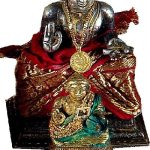
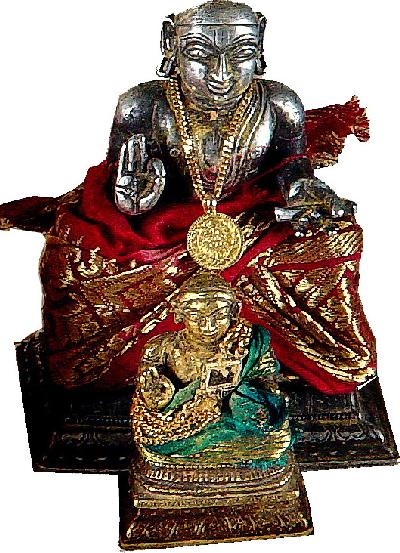
Swami Srimath Vedanta Mahadesikan
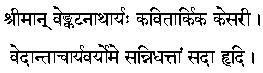

Birth place : Thiru Thoopul (Thiru Thanga - now a part of Sri Kanchipuram)
Birth date : After kali 4370 in Vibhava varusham, Purattasi Sravanam
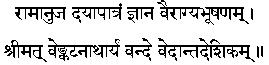
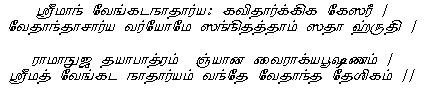
swAmi SrImath vEdAnta mahA dESika incarnated as the amSam of SrI VEnkaTa SrInivAsan's divine ghaNTA who is a nitya sUri as the son of SrI ananta sUri in viSwAmitra gOtram. Actually all the mortal words and also the immortal words of Sruti are not sufficient to express the greatness of swAmi dESika. The following is a very brief account of the life history and works of swAmi dESika. swAmi dESika masters all SAstras at the divine lotus feet of his AachArya SrImath appuLLar who is also his maternal uncle. He did the japam the SrImath garuda mantram at tiru-ahIndra-puram owshadAdri and had the vision of SrImath garuda-AzhwAr and got blessed with the SrImath hayagrIva mantra upadESam from SrImath garuda-AzhwAr. He did the japam of SrImath hayagrIva mantram and then got the vision of SrImath lakhsmI hayagreeva perumAL and got blessed absolutely. He was then blessed with the unparalleled and unsurpassed divine titles namely VEdAntAchArya from periya perumAL SrI ranga nAtha, sarva-tantra-swatantra from periya pirATTi SrI ranga nAyaki. He was honored by great scholars of SrI rangam as kavi tArkika simha and samasyA sahasri. He did sampradAya pravachanam at places SrI rangam, tiru-ahIndra-puram, SrI kAnchIpuram, tiru-nArAyaNapuram etc. He composed more than 120 divine SrI sUktis and protected bhagavath rAmAnuja darSanam in all ways. He is the only AachArya who composed SrI sUktis on SArIraka SAstra and on rahasya-traya vishaya SAstrams.
To name swAmi dESika's unparalleled and unsurpassed works (SrI sUktis),
VEdanta granantams
sESwara mImAmsa SatadhUshaNi adhikaraNa sArAvaLi tattva tIka nyAya pariSuddhi nyAya sidhdAnjanam tattva muktA kalApam nikshEpa raksha saccharitra raksha vaditraya khaNDanam dramidOpanishath tAtparya ratnAvaLi dramidOpanishath sAram
vyAkyA grantams
chatuSSlOki bhAshyam stOtra (ratna) bhAshyam rahasya raksha gItArtha sangraha raksha tAtparya chandrikA ISAvAsya-upanishad bhAshyam sarvArtha sidhdi adhikaraNa darpaNam
nAtaka grantam
sankalpa sUryOdayam
kAviya grantams
SubhAshita nIvI yAdavAbyudayam pAdukA sahasram hamSa sandESam
anushTAna grantams
bhagavath AarAdhana vidhi yagnyOpavIta pratishTA
Rahasya grantams
sampradAya pariSudhdi tattva padavI rahasya padavI tattva navanItam rahasya navanItam tattva mAtrukA rahasya mAtrukA tattva sandESam rahasya sandESam rahasya sandESa vivaraNam tattva ratnAvaLi tattva ratnAvaLi pratipAdya sangraham rahasya ratnAvaLi rahasya ratnAvaLi hrudayam tattva traya chulakam rahasya traya chulakam abhaya pradAna sAram rahasya SikhAmaNi anjali vaibhavam pradAna Satakam upahAra sangraham sAra sangraham muni vAhana bhOgam madhura kavi hrudayam paramapada sOpAnam paramatha bhangam hastigiri mAhAtmyam SrImath rahasya traya sAram sAra sAram virOdha parihAram nigama parimaLam tirumudi adaivu
Tamizh prabandams
amruta ranjani adhikAra sangraham amrutAswAdini parama pada sOpAnam para matha bhangam mei-virata mAnmiyam adaikalappattu aruttapanchakam SrI vaishNava dinachari tirucchinnamAlai panniru nAmam tiru-mantra churukku dwaya churukku charama SlOka churukku gItArtha sangraham mumkaNi kOvai nava maNi mAlai pantu kazhal ammAnai Uusal Eesal prabanda sAram AahAra niyamam
StOtra grantams
SrI hayagrIva stOtram daSavatAra stOtram bhagavath dyAna sOpAnam gOpAla vimSati SrI stuti bhU stuti gOdA stuti nyAsa daSakam dayA Satakam abhIti stavam dEva nAyaka panchASath varadarAja panchASath yatOktakAri stOtram ashTabhujAshTakam kAmASikAshTakam paramArtha stuti SaraNAgati dIpikA acchyuta Satakam dEhaLISa stuti nyAsa tilakam mahA vIra vaibhavam sudarSanAshTakam shOdasAyuda stOtram garuda dandakam garuda panchASath yatirAja saptati vairAgya panchakam nyAsa vimSati
SrImath kumAra varadAchAryar - nainArAchAryar

Birth place : SrI kAnchIpuram - perumAL kOvil
Birth date : Aavani mAsam Rohini nakshatram
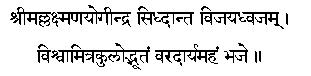
SrImath kumAra varadAchAryar (nainArAchAryar) is the son of swAmi dESika. He mastered all SAstras from his AachArya who is swAmi dESika himself. His works are many and to name a few are piLLai anTAdi, dESika prapatti, dESika mangaLam, dESika prArthanAshTakam etc. He did samrpadAya pravachanam in many places in Bharatavarsham.
SrImath brahma tantra swatantra swAmi - PEraruLALa jeear

Birth place : tirumalai - Sri Venkatam
Birth date : Purattasi mAsam Sravana nakshatram
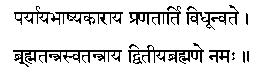
He was the first yati in SrImath parakAla maTam and an ardent disciple of swAmi dESika. He did samrpadAya pravachanam in many places in Bharatavarsham.
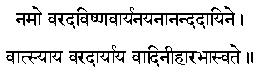
SrImath gadikASatam ammAL - varadAchAryar

Birth place : SrI kAnchIpuram - perumAL kOvil
Birth date : chittirai mAsam hasta nakshatram
He is the son of dEvarAja perumAL swAmi of SrI vatsa gOtram. He did sampradAya pravachanam at SrI kAnchIpuram. SrI yatirAja vijayam is a notable grantam of this swAmi.
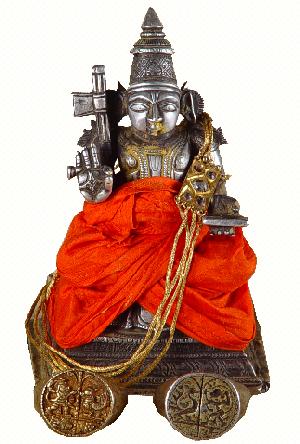
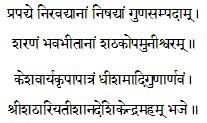
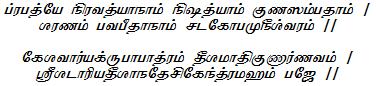
1st Pattam Srimad Athivan Satakopa Yatindra Mahadesikan
Birth place : Thirunarayanapuram
Birth date : Chithrarti Varusham, Purattasi, Kettai, Shukla Paksha Pancami (Sep 1379)
Sanyasaasramam : Bhahudhanya varusham, Purattasi, Shukla Paksha Pancami (Sep 1398)
Paramapatham : Bhahudhanya varusham, Chittrai, Krishna Paksha Ekadasi (Apr 1458)
Nirvaham : 59 years, 7 months
Brindavanam : Thirukalyana Theeram, Thirunarayanapuram
Initiated into Sanyasashrama by Lord Lakshminrisimha. The title "Athi" stannds for Athipiran of Azhvar Thirunagari. The title "Van Satakopan" stands for Namazhhvar. This Azhagiya Singar rescued and revived Azhvar Thirunagari temple and brought Azhvar dhivya mangala vigraham back to the temple. This is the occassion when Lord Athipiran referred to Nammazhvar with the "Nam" prefix. From this day forward the Azhvar became known as Nammazhvar.
Among the many kainkaryams performed by Srimad Athivan Satakopan are (i) Swami Sri Desikan sannidi and Raja Gopuram for Thirunarayanapuram temple, (ii) Steps for Thirumalai, (iii) 100 pillar hall at Kanchipuram, (iv) repair Sri Rangam wall, (v) Dasavathran Sannidi with Sannidi for Thirumangai Azhvar, and (vi) Swami Sri Desikan Sannidi opposite to Ranga Nachchiyar sannidi at Sri Rangam.
This Azhagiya Singar initiated Sri Manavala Mamunigal into Sanyasaasramam.
2m Pattam Sriman Narayana Yathindra Maha Desikan
Birth date : Avani Month, Kettai Star
Purvasrama Thirunamam : Thirumalai Nambakkam Krishnamachariar
Sanyasaasramam : Bahudhanya Year, Chittirai Star, 1458, Shukla Panchami Day
Paramapatham : Nandana year, Panguni Month, 1473, KrishnaPaksham, Dvidhiyai Thithi
Brindavanam : Near Kalyani river bed in ThirunaryanaPuram
He did sancharam from ThirunarayanaPuram to Srirangam. He did "vigraha prathistai" of Sri Adivan Satakopa Jeer at Sri Thirunarayanan Sannidhi and at Sri Adivan Satakopa Jeer "brindhavanam". He wrote about 60 Granthas on Sri Adivan Satakopa Jeer's command.
11th Pattam Srivan Satakopa Sri Srinivasa Yathindra Mahadesikan
Birth date : Aippasi, Moolam
Sanyasaasramam : Siddaarthi Varusham, Ani (July 1559)
Paramapatham : Vilambi Varusham, Chittirai, Krishnapaksham Chaturdasi( April 1598)
Nirvaham : 38 years, 9 months
Brindavanam : Srirangam
21th Pattam Srivan Satakopa Sri Parangusa Yathindra Mahadesikan
Birth date : Panguni, Hastham
Sanyasaasramam : Prabhava Varusham, Panguni (Mar 1748)
Paramapatham : Eswara Varusham, Karthigai, Krishnapaksha Chathurthi (Nov 1757)
Nirvaham : 9 years, 8 months
Brindavanam : Palamedu
31st Pattam Srivan Satakopa Sriman Narayana Vedanta Yatindra Mahadesikan
Birth date : Karthigai, Maham
Sanyasaasramam : Subhakruthu varusham, Karthigai, (Dec 7, 1842)
Paramapatham : Parabava varusham, 19th day of Panguni, Sukla Paksha Chathurthasi, Tuesday(Mar 30, 1847)
Nirvaham : 4 years, 4 months
Brindavanam : Cauvery Theeram, Thyagarajapuram
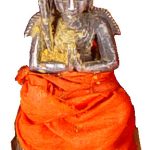
41st Pattam Srivan Satakopa Sri Lakshmi Nrisimha Satakopa Yatindra Mahadesikan
Birth date : Purattadi, Margazhi, Ananda varusham (Dec 1854)
Sanyasaasramam : Tunthubi varusham, 4th day of Thai (Jan 17, 1923)
Paramapatham : Vishu varusham, Ippasi, Sukla Pancami (Oct 1941)
Nirvaham : 18 years, 9 months
Brindavanam : Srirangam